

Ensuring Safety in Anaesthesia Practices
Explore our comprehensive guidelines designed to enhance patient safety and optimize anaesthesia care.
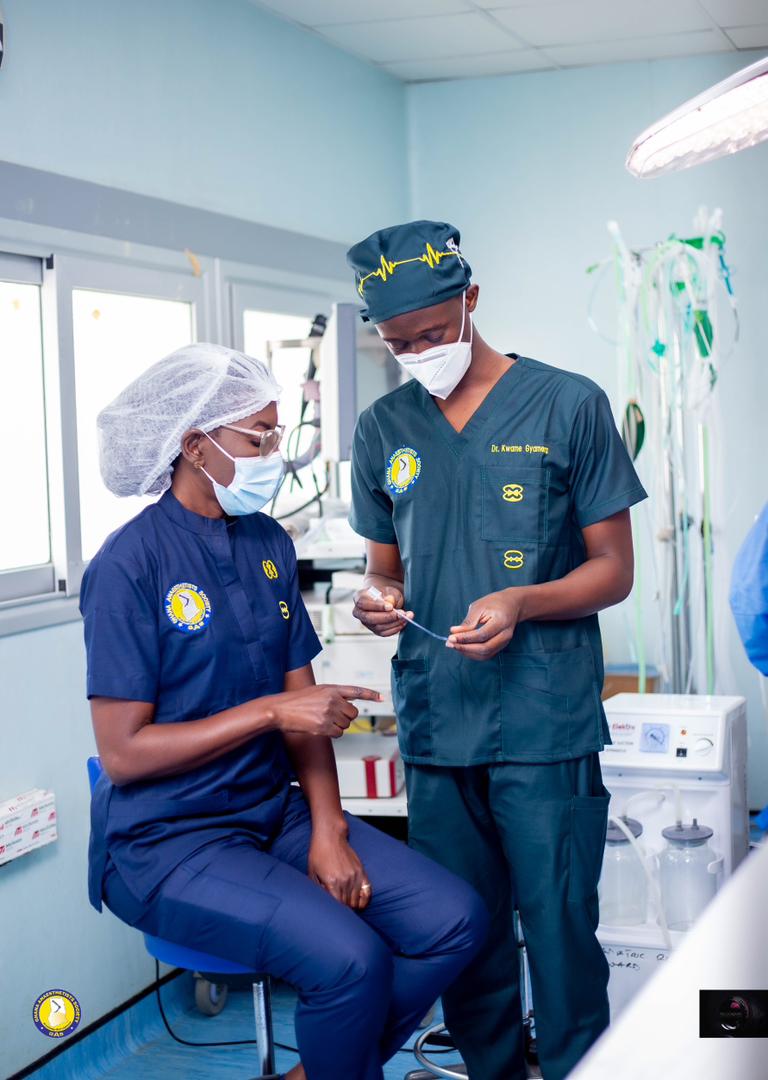
The Importance of Clinical Guidelines
Clinical guidelines are essential for maintaining high standards in anaesthesia practice. They provide a framework for safe and effective patient care, ensuring that anaesthetists are equipped with the latest protocols and strategies to manage various clinical scenarios. By adhering to these guidelines, practitioners can minimize risks and improve outcomes, fostering trust and confidence in anaesthetic procedures.
Preoperative Assessment Protocols
A thorough preoperative assessment is crucial for identifying potential risks and ensuring patient safety during anaesthesia. Begin by reviewing the patient's complete medical history, paying special attention to previous anaesthetic experiences and any chronic conditions. Assess for allergies, especially those related to medications and latex, to prevent adverse reactions.
Evaluate risk factors such as age, weight, and comorbidities that may influence anaesthetic management. Conduct a physical examination focusing on airway assessment to anticipate any challenges. Ensure informed consent is obtained after discussing the anaesthesia plan with the patient, addressing any concerns they might have.
Airway Management Essentials
Ensuring Safe and Effective Airway Management
Monitoring Standards in Anaesthesia
Comprehensive Patient Monitoring Protocols
Effective airway management is a cornerstone of anaesthetic practice, requiring meticulous preparation and the availability of appropriate equipment. It is crucial to have a clear plan and backup strategies for difficult airway scenarios. Continuous monitoring of oxygenation through pulse oximetry is essential to ensure patient safety and prevent hypoxia.
Drug Safety in Anaesthesia
Ensuring Safe Administration of Anaesthetic Agents
Adhering to established monitoring standards is vital for patient safety during anaesthesia. This includes the use of pulse oximetry to monitor oxygen saturation, ECG for cardiac activity, and blood pressure monitoring to assess hemodynamic stability. Capnography is also employed to evaluate ventilation status, ensuring comprehensive oversight of the patient's physiological state.
Administering anaesthetic agents safely involves adhering to recommended dosages and protocols. Double-checking all medications before administration is imperative to prevent errors and adverse drug interactions. This vigilance ensures the well-being of patients and upholds the highest standards of anaesthetic care.
Intraoperative Care
Ensuring Optimal Anaesthesia and Managing Complications
Postoperative Recovery
Protocols for Safe Patient Transition
During the postoperative phase, it is crucial to ensure a seamless transition from the operating room to the recovery area. Continuous monitoring is essential until the patient regains full protective reflexes. This includes vigilant observation for any signs of respiratory depression or other complications. Effective pain management strategies should be implemented to enhance patient comfort and facilitate recovery.
Emergency Preparedness
Readiness for Critical Situations
Emergency preparedness is a cornerstone of safe anaesthesia practice. It is imperative that resuscitation equipment and emergency drugs are always accessible and in working order. All anaesthesia personnel should be proficient in advanced life support protocols to respond swiftly and effectively to any unforeseen emergencies, ensuring patient safety at all times.
Download Our Comprehensive Guidelines
Enhance your practice with our detailed guidelines on safe anaesthesia. Download now or reach out to the Ghana Anaesthetists Society for further assistance.