

Ensuring Safe and Comfortable Surgical Experiences
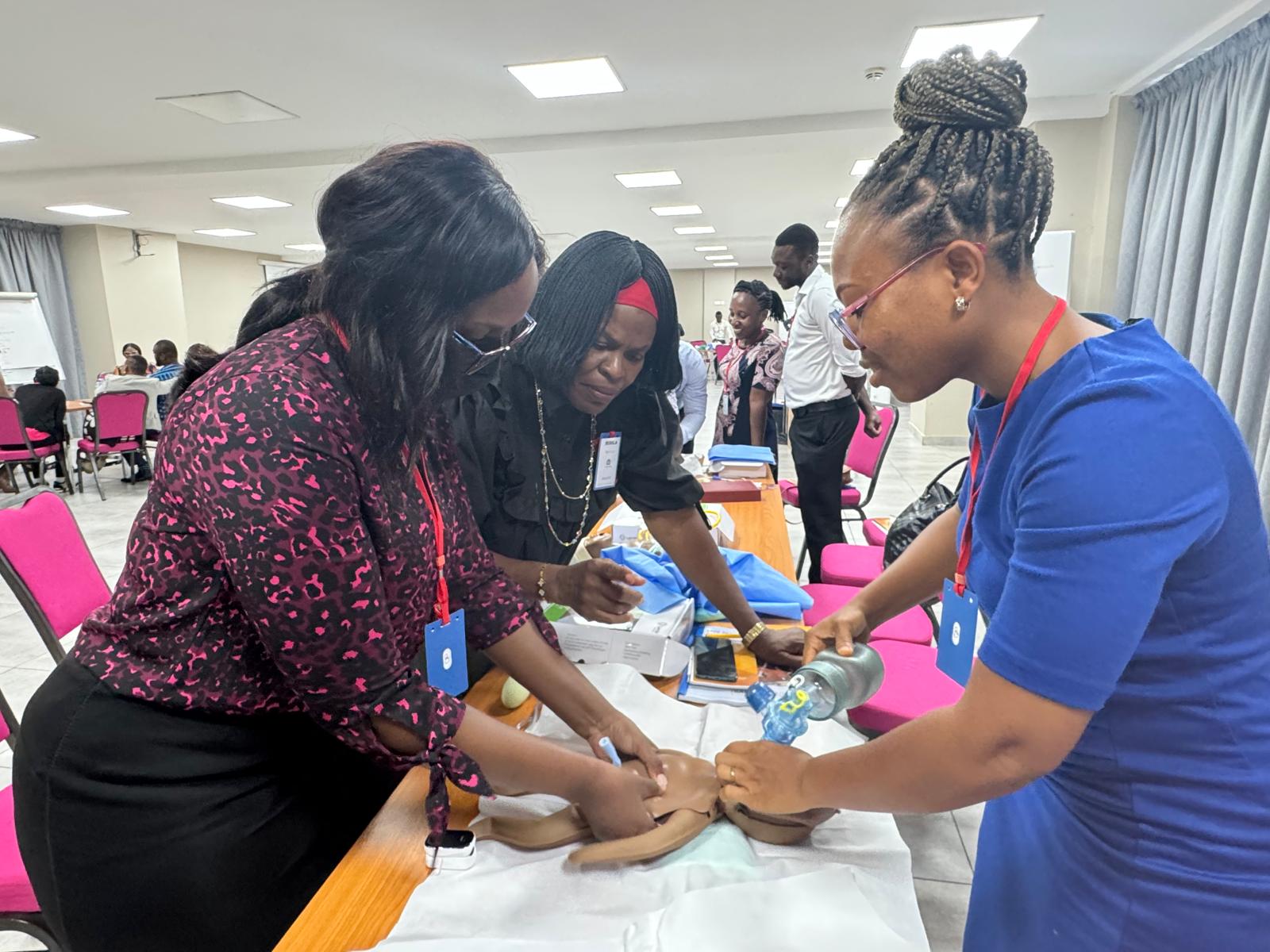
Understanding Anaesthesia
Anaesthesia plays a crucial role in modern medicine, ensuring patients remain comfortable and pain-free during medical and surgical procedures. By preventing pain and managing vital signs, anaesthesia allows for a wide range of surgeries and treatments to be performed safely. Anaesthesia professionals are dedicated to monitoring patients before, during, and after procedures, ensuring optimal care and recovery.
Types of Anaesthesia
Explore the various types of anaesthesia and their applications in medical procedures.
General Anaesthesia
Regional Anaesthesia
Local Anaesthesia and Sedation

Post-Procedure Recovery
After your procedure, you will be monitored in the recovery room until the effects of the anaesthesia wear off. It's normal to feel drowsy or slightly nauseated, but these sensations typically subside within a few hours. Our team will ensure your comfort and address any immediate concerns.
Pain Management and Discharge
Effective pain management is a priority. You will receive medications tailored to your needs to minimize discomfort and facilitate a smooth recovery. Before discharge, you will be given detailed instructions on how to care for yourself at home, including any necessary follow-up appointments.

Common Questions About Anaesthesia
Understanding anaesthesia can help alleviate concerns and ensure a smoother surgical experience. Here are answers to some of the most frequently asked questions.
Will I feel anything during the procedure?
You will not feel any pain during the procedure as the anaesthesia will effectively block sensation. Depending on the type of anaesthesia, you may be completely unconscious or awake but comfortable.
How safe is anaesthesia?
Anaesthesia is very safe when administered by trained professionals. Our team continuously monitors your vital signs to ensure your safety throughout the procedure.
Can I eat before my surgery?
You will need to follow specific fasting instructions provided by your healthcare team. Typically, you should avoid eating or drinking for several hours before the procedure.
What should I do if I have allergies?
Inform your anaesthesia team about any allergies you have. This information is crucial for avoiding allergic reactions during your procedure.
How long will it take to recover from anaesthesia?
Recovery time varies depending on the type of anaesthesia and the procedure. Most patients feel back to normal within a few hours, but full recovery may take longer.
What if I have more questions?
Feel free to contact your anaesthesia provider or healthcare facility for personalized advice and further information regarding your procedure.
Reach Out for Personalized Guidance
Get in Touch with Us
For any questions or personalized advice regarding your anaesthesia care, please contact your anaesthesia provider or healthcare facility. Our team at the Ghana Anaesthetists Society is here to assist you with any concerns or information you may need. Feel free to reach out to us for support and guidance tailored to your needs.